 Skip to content




Top Safety Protocols & Best Practices for Heavy Duty Tow Truck Operators
Photo Source: freepik.com
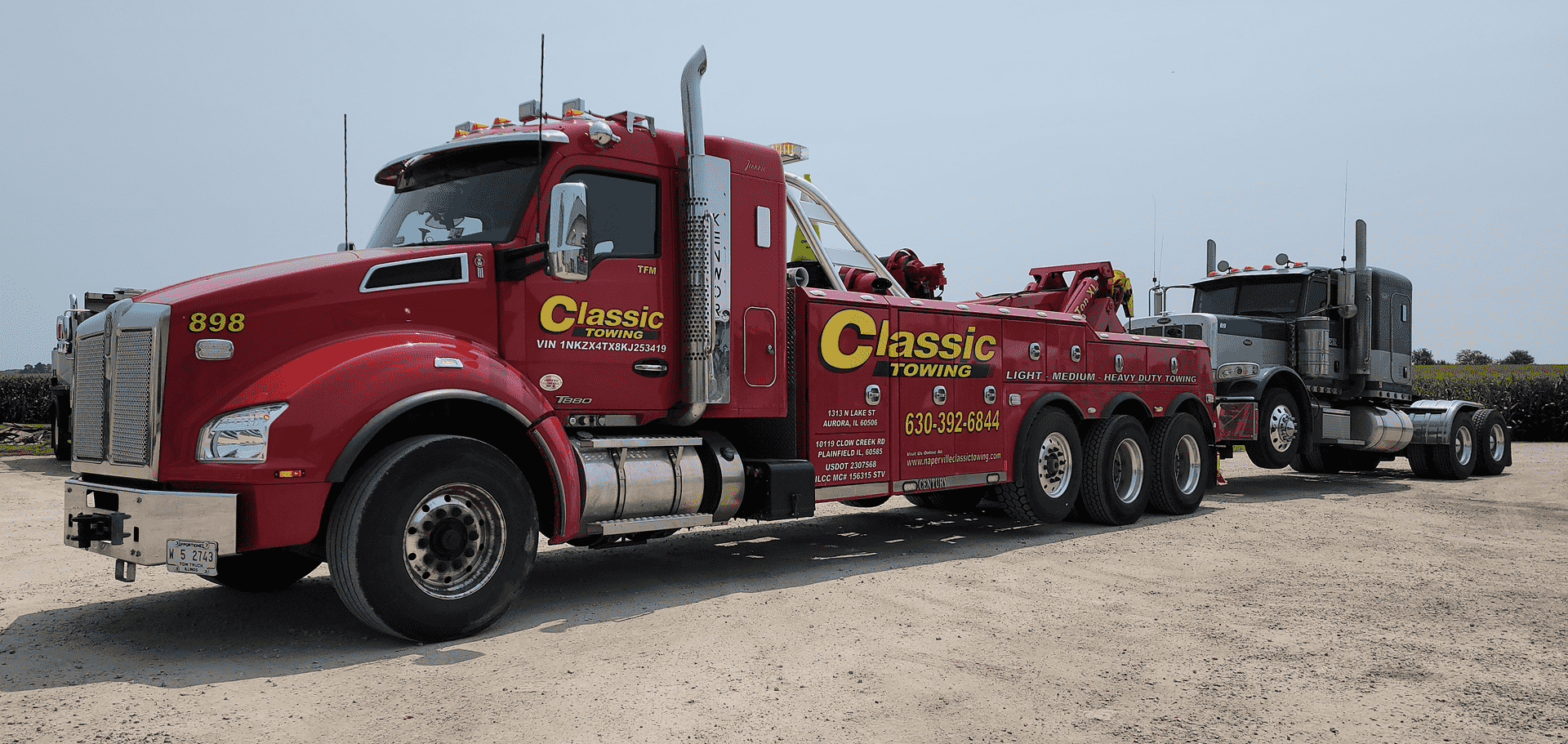
What you need to operate a tow truck is primarily someone who knows professional recovery operations by heart. Long before a winch is engaged and the load is secured, the man or woman in charge must abide by the non-negotiable routine of the profession. Let’s go through the list of best practices for heavy-duty tow truck operators that translate into a successful operation.
1. Training and Certification
The ability to pull off complicated recoveries safely comes with structured guidance and eventually getting accredited for having honed one’s skill to the level of an expert. With instructions in the securement methods of keeping a vehicle stationary, moving it means significantly decreased risk or possible harm to the cargo, the crew, and the public. The certification is evidence of having undergone training.
2. Pre-Operation Vehicle and Equipment Checks
Routine safety inspections of the tools of the trade, especially before an operation, is important. The truck’s fluid levels, tire pressure, brakes, and all lights are included in this methodical check. A once-over must also be done on the winches, chains, slings, and the remote to ensure they’re in good condition.
3. Proper Use of Personal Protective Equipment
Steel-toed boots, heavy-duty gloves, safety glasses, and a high-visibility safety vest are to be worn by heavy-duty tow operators as defense against the dangers of the job. When worn, they offer critical protection against bodily harm. Correct use of PPE is a basic requirement that guarantees operators and the rest of the crew are able to carry out their tasks with low personal risk.
4. Safe Loading and Weight Distribution
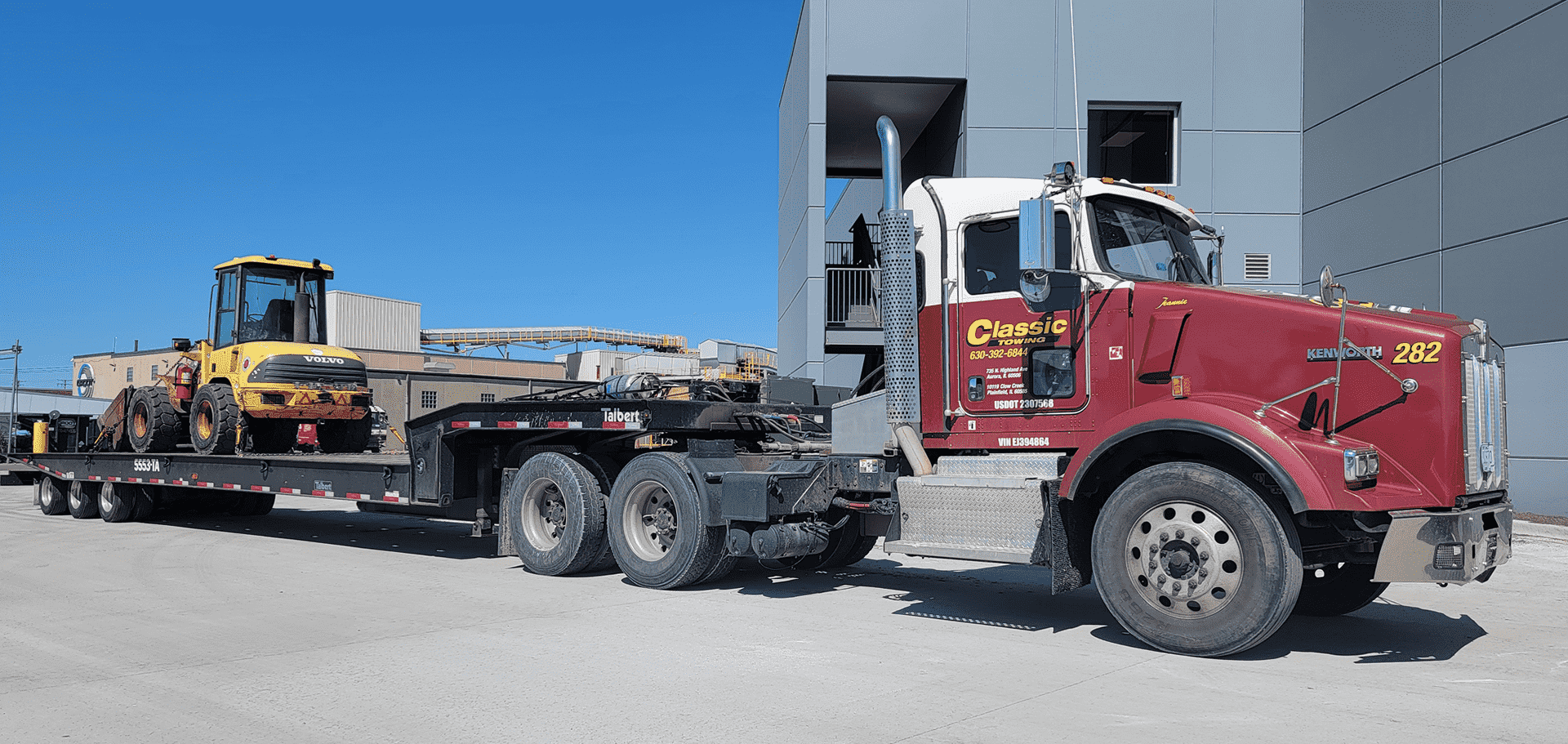
A car can wobble and damage the axles of its chassis if its weight is not centered on the deck and its weight is not distributed equally. A heavy-duty tow truck driver must use the right number of straps, binders, and chains to keep a vehicle firmly in place. These safety features are essential to the cost of operating a tow truck.
5. Roadside Awareness and Traffic Control
Heavy-duty tow truck operators must evaluate the operation site for possible risks related to topography, traffic flow, and weather. They must also place traffic cones and flashing lights to create a work zone that’s safe from passing vehicles. In this controlled situation, the recovery team is given a protected area in which to conduct their operation, which entails dangers for all in the immediate vicinity.
6. Defensive Driving and Speed Management
Cautious driving and strict speed control are critical safety practices for heavy-duty tow truck drivers. Recovery of this type is not a race. Everything, all movements, not just the driving, must be done slowly and carefully. In the industry, the saying “Slow is Smooth, Smooth is Fast” applies with no exception.
7. Fatigue Management
Heavy-duty tows, which involve high-stress recoveries carried out over long periods and at unpredictable hours, require operators who are in top physical condition. Fatigue is a major issue in serious accidents that may happen as it impairs physical and mental competence. Getting adequate sleep before shifts and going on breaks during long operations are a priority to counter this. Managing fatigue is actually a professional responsibility.
A Legacy of Safety
The best heavy-duty tow operators are measured by their adherence to safety procedures, not by the crises they’ve handled. This discipline turns a hazardous heavy-duty operation into controlled expertise. What you need to operate a tow truck and a few other essentials for an effective recovery are what we’ve shown here. If you need professionals in the field, call Classic Towing at 630-392-6844.
