 Skip to content




Everything Truckers Should Know About Heavy-Duty Towing
Photo Source: freepik.com
Calling for a heavy-duty tow requires that one understands what’s required for such an operation. Otherwise, an error in the description of what’s needed may result in wasted time and money. Among other things, there should be clarity in what truck is good for towing heavy-duty to handle massive loads safely. This is a guide on what fundamental information a towing company needs to handle a breakdown effectively.
1. What Qualifies as Heavy-Duty Towing
Understanding the requirements of heavy-duty towing is essential for safety and compliance. A basic demand for this classification is rigs with a Gross Vehicle Weight Rating (GVWR) exceeding 26,000 pounds, like severe-service vehicles. It also includes powerful diesel engines, multi speed transmissions, and reinforced braking and suspension systems. They’re fundamental to the job.
2. The Types of Trucks and Equipment Used
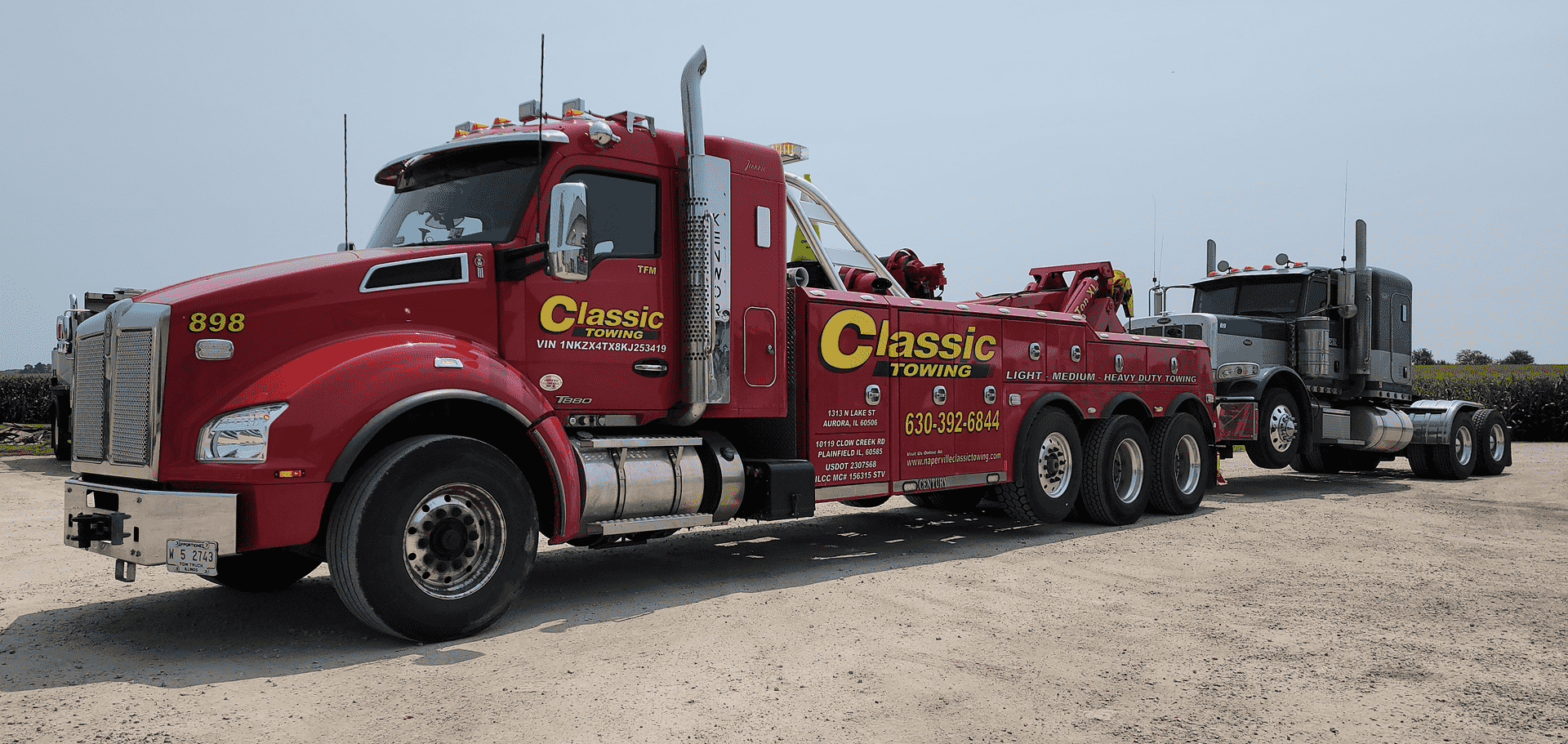
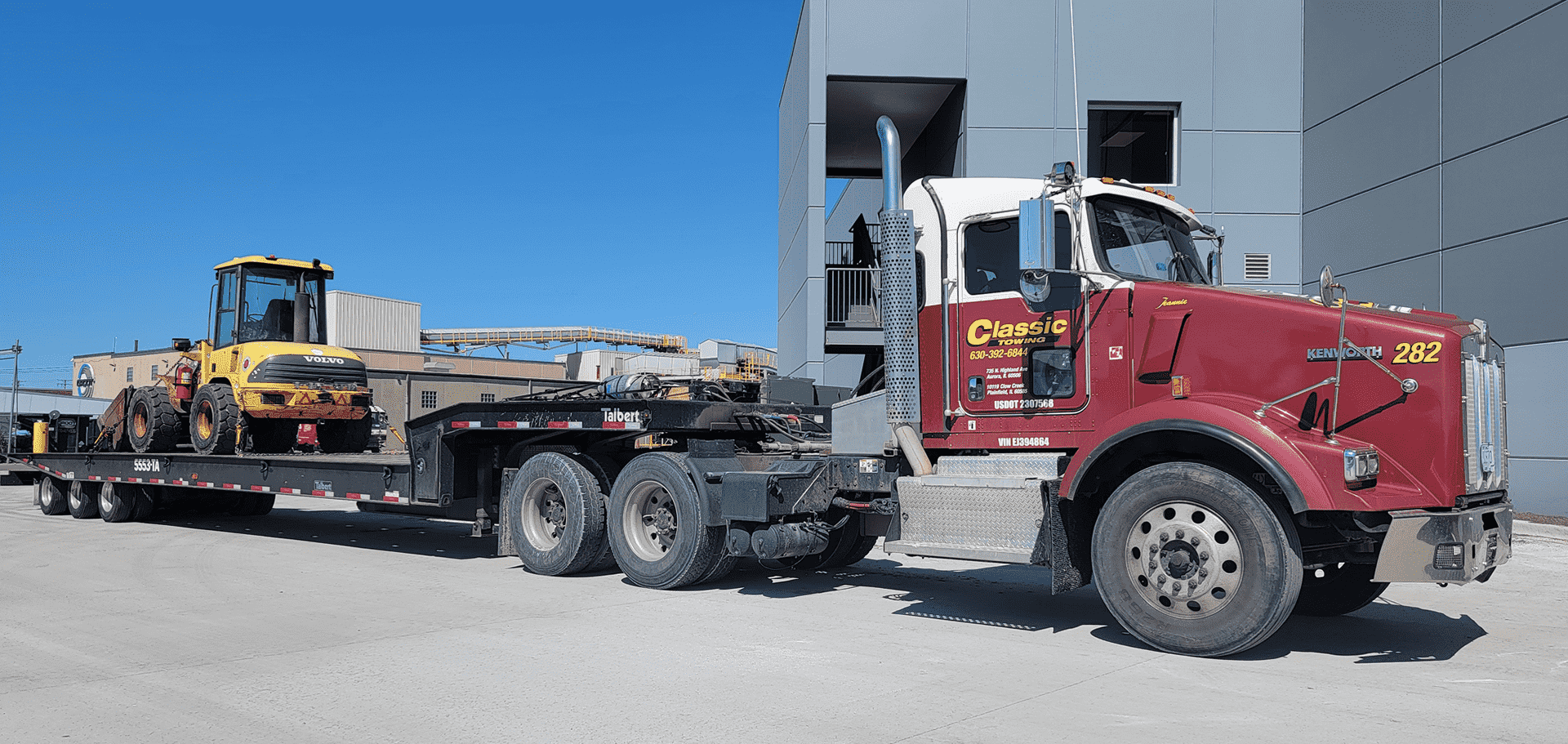
Professional truckers must be familiar with the diverse range of rigs and gear that define the industry. It could either be semis or flatbeds. Knowing what equipment and additional tools might be essential for the recovery is crucial. Mastering them ensures not just efficiency, but safety and compliance on every run
3. Call for Heavy-Duty Towing Assistance
Immediate assistance is required for major breakdowns like suspension failures, a disabled rig blocking traffic, or an accident with significant damage. Always call for a certified heavy-duty service to ensure road safety and protect valuable cargo and equipment. Never risk towing by just any operator with an ill-equipped vehicle. This can worsen the damage.
4. Ensure Safety During a Tow
Aside from knowing which truck has the highest towing capacity, a truck driver must secure the scene. This means activating hazard lights, setting up reflective triangles or flares at a safe distance, and communicating all details about the breakdown to the operator. Once there, step aside and let the experts handle things freely.
5. Choose a Certified Heavy-Duty Towing Provider
Prioritize companies certified for your rig’s specific class and weight. Verify they have the proper insurance and a clear, upfront pricing structure to avoid costly surprises. Look for a provider with a strong local reputation and 24/7 availability. A reliable partner doesn’t just recover your truck; they safeguard your cargo, timeline, and bottom line. Choosing the right heavy-duty towing provider is a critical decision.
6. Understand Tow Cost and Insurance
Heavy-duty recovery is expensive, so always request a detailed estimate before authorizing work. Know your insurance policy well, specifically the towing and roadside assistance it covers and what the deductibles you can claim on are. Some policies may have preferred providers, so check with your insurer first.
7. Get Back on the Road Faster
Provide the towing service with precise details, like your exact location, truck and trailer model, plus the nature of the problem. Once safe, get the bill of lading and whatever permits you need to secure. Finally, stay in touch with the tow provider to streamline the process from diagnosis to repair. Keeping a close watch on the work will help get the vehicle running again sooner.
The Road to Restoration
The secret of a quick solution to the recovery problem you face in case of a breakdown is a trucker’s readiness in dealing with the situation. Among the many things the driver must know, chief would be what truck is good for towing heavy-duty, especially the huge rig one’s driving. If you need to call on a certifiably capable service provider backed by insurance, call Classic Towing at 630-392-6844.
