




Heavy Equipment Transport: Preparing Large Machinery for Safe Road Transport
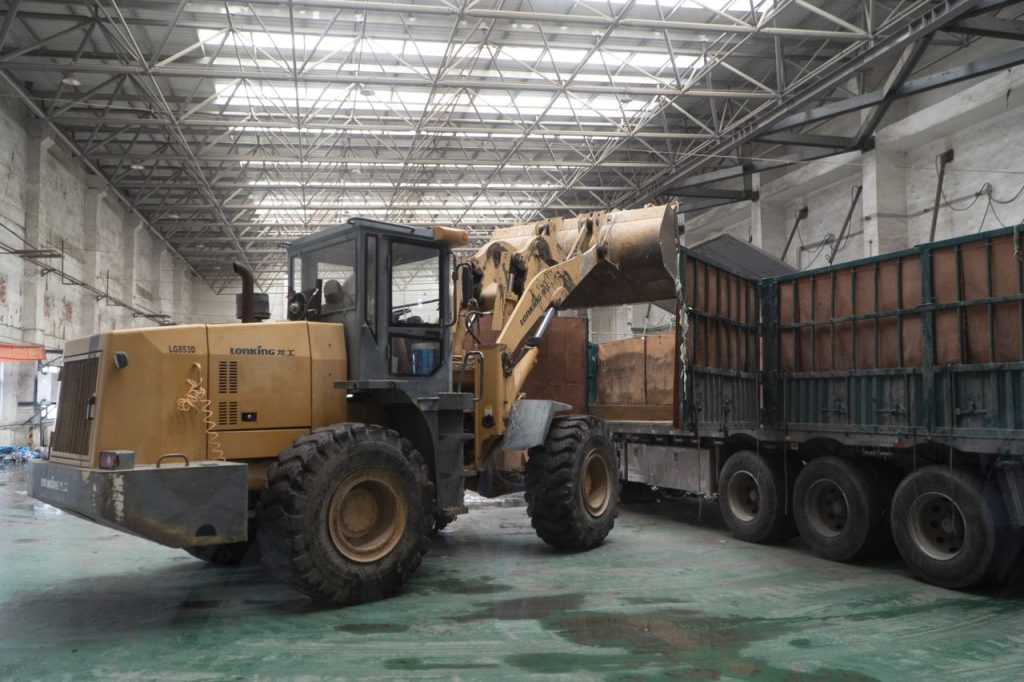
Heavy equipment plays a vital role in the construction industry; contractors must transport heavy equipment safely to its destination to protect these costly investments. There are certain safety precautions and measures that contractors must observe when transporting heavy equipment, such as excavators, backhoes, and bulldozers. Without applying the proper preparations for safe road transport of large machinery, accidents happen, leading to delays, which can then cost money.
Certain challenges are faced by trucking companies when transporting heavy equipment to a desired location. This will almost certainly include challenges such as height limitations, complex road navigation, and load weight compliance. In this write-up, we will be discussing the challenges faced by contractors when transporting large machinery, and then we’ll be addressing how large equipment is shipped properly and safely to another location.
What are some challenges faced by contractors when transporting heavy equipment?
Challenges are faced by trucking companies daily when it comes to transporting heavy equipment; these challenges, when neglected, often lead to accidents. According to the Bureau of Labor Statistics 2024 report on fatal occupational injuries, a staggering 1,900 transportation-related incidents were reported. There are certain challenges faced by contractors when transporting heavy equipment; these challenges pose an obstacle to the safety of heavy equipment.
Being knowledgeable about these obstacles and hurdles is very important before going into the proper ways how to ship large equipment safely:
- Road and Traffic – Before preparing for large machinery to be transported safely to a construction site or warehouse, road conditions such as traffic, blocks, and height limitations are faced daily by contractors. Some of these road problems may happen unexpectedly, thereby delaying the heavy equipment in time.
- Willful neglect of safety protocols – Contractors and heavy equipment operators receive regular seminars regarding safety protocols. A willful or accidental neglect of these safety protocols leads to improper machinery safety measures, such as loading and unloading procedures and parking practices.
- Improper packing practices – Not following guidelines on how to properly pack large machinery for transport leads to irreversible damage and accidents. Certain improper practices, such as unsuitable bases for structural support, uneven weight distribution, and complicated packing, are problems that contractors face when transporting heavy equipment.
Proper Ways to Prepare Large Machinery For Safe Road Transport
These are some guidelines from the Occupational Safety and Health Administration that can serve as information on how to ship large equipment safely.
- Proper inspection of equipment – Heavy equipment inspections are more demanding than light equipment inspections, mainly because of the fact that heavy equipment is larger in size and is used in more demanding tasks. Placing frequency, documentation, and rigor on these inspections should be a must in order to properly assess whether the heavy equipment is safe for transportation.
- Utilization of warning systems – One does not only have the heavy equipment in mind when it comes to employing safety measures when transporting heavy machinery. Contractors and heavy equipment operators should also have the general public’s safety in mind, whether these be drivers of other vehicles or pedestrians. Early warning systems such as lights, barricades, and cones should be prepared in case the vehicle being used breaks down.
- Correct securing of large machinery – Properly securing heavy equipment for transport includes using the correct device to secure heavy equipment being loaded; these devices may include the proper steel strapping, wire rope, and fasteners, which also depend on the weight of the equipment being transported. Also, look for the proper locations on the heavy equipment to attach these devices in order to avoid accidental unhooking.
- Correct route planning – Drivers must plan their routes ahead of time before transporting large machinery. Transporting large machinery through traffic, bridges, and road conditions requires proper planning. When transporting large machinery through these routes, one must consider equipment measurements and height when crossing beneath bridges. Lastly, weight limitations should also be considered when driving on bridges and narrow pathways.
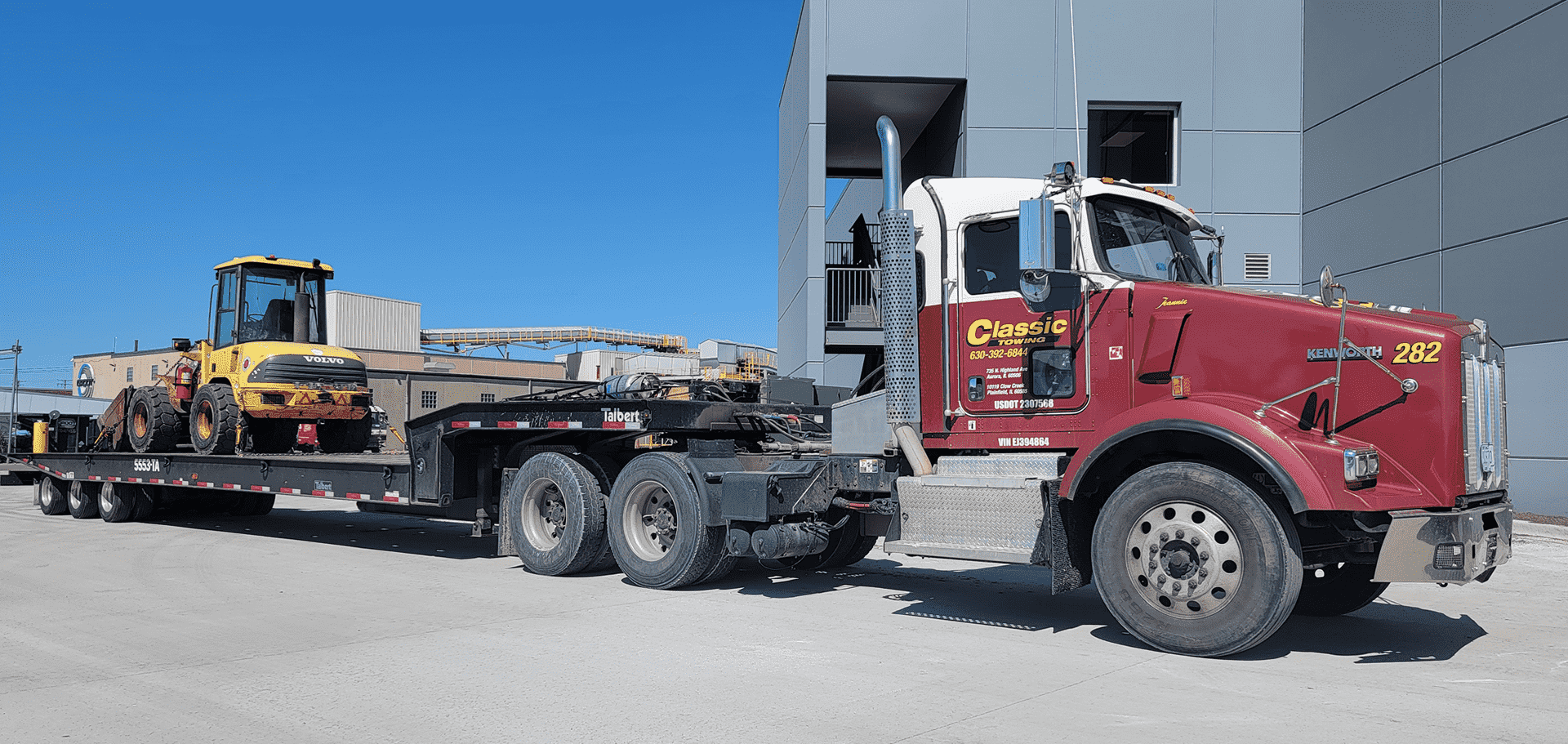
- Follow the appropriate trailer measurements and weight – Heavy equipment operators must consider the dimensions and weights of the equipment they are transporting to avoid delays and accidents. This is also important to ensure that the transportation of large machinery through different road conditions, bridges, and traffic goes smoothly.
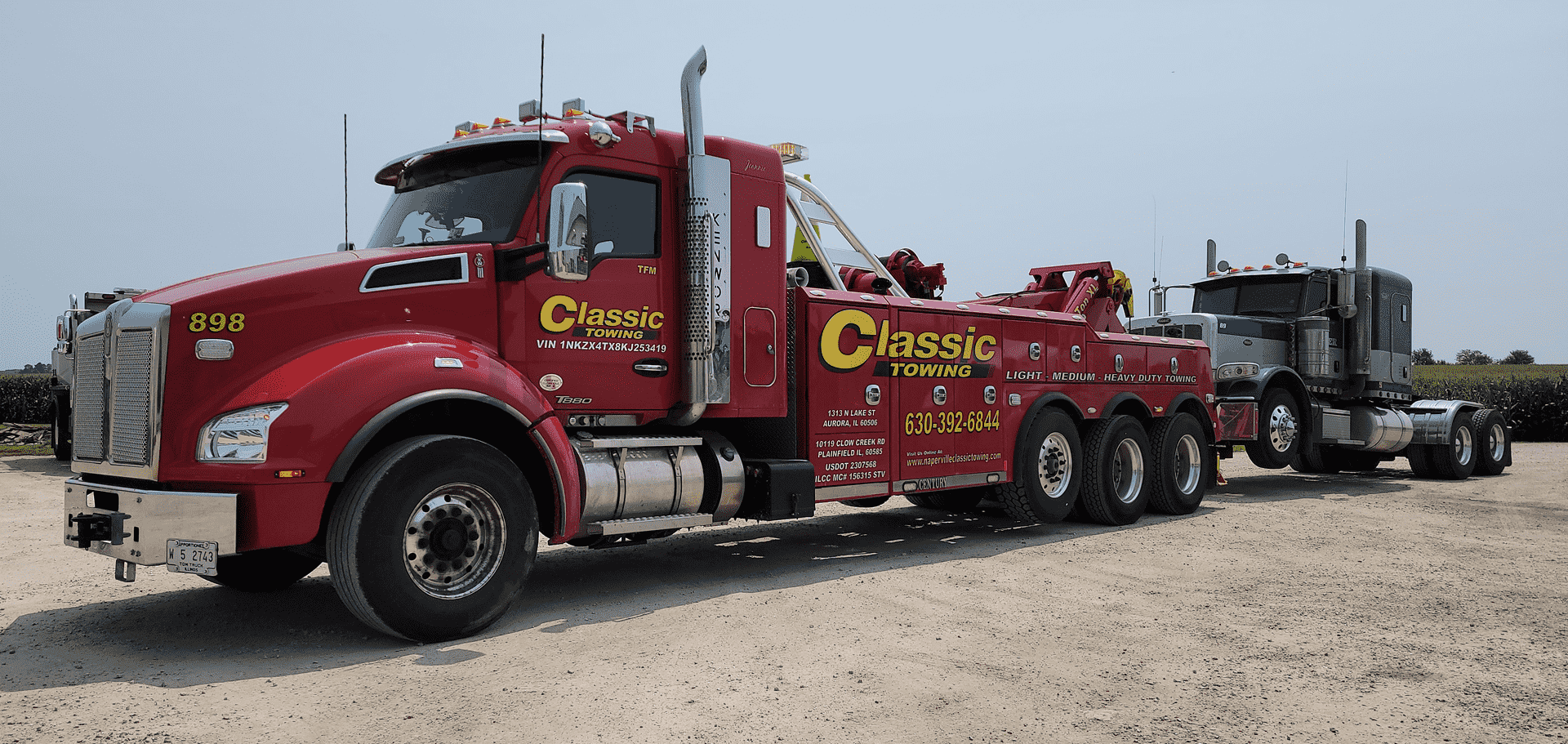
For towing solutions that involve heavy equipment, we provide heavy-duty towing, and with the help of our Rotator Tow Truck, we are able to lift and rescue your heavy equipment from accidents. Ask for roadside assistance with the most reliable towing service in the Illinois Route 59 area. Feel free to reach out to Classic Towing at 630-392-6844.