




Minimizing Traffic Disruption: The Role of Rapid Accident Recovery Services
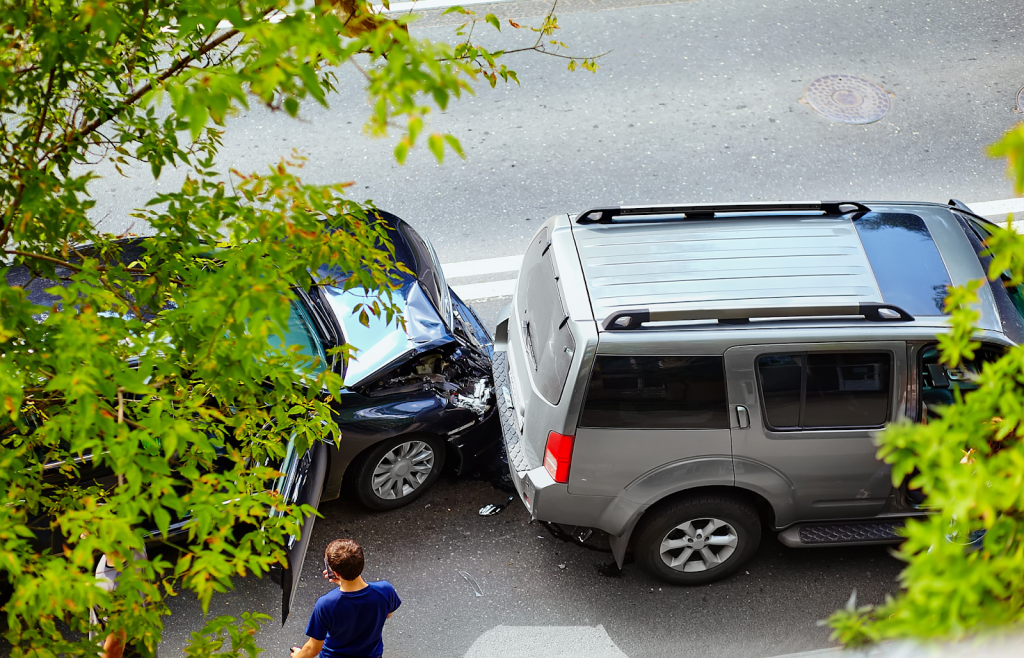
The screech of tires and a jarring hit would most likely signify a road accident. What follows after that is congestion and possible financial loss every minute that a roadway is blocked. This is when quick car accident recovery services come into play. It’s a multifaceted strategy that focuses on restoring safe traffic flow quickly and going beyond just conventional cleanup. Here’s how they do it.
1. Use of Technology for Direction
Rapid accident recovery has been radically changed by technology that reduces traffic disturbance by using intelligent guidance. Authorities can pinpoint the location of incidents and allocate resources with precision thanks to real-time data from GPS and traffic cameras.
In order to create pathways for emergency services, drivers are diverted away from traffic by digital messages and navigation apps like Waze and Google Maps. The length of traffic standstills is then greatly decreased as this guides recovery efforts and public mobility.
2. Proper Scene Assessment
Responders must assess an accident’s severity and the number of vehicles involved as soon as they arrive. They’ll also have to determine any other dangers in the scene, such as spills or debris. Decisions can then be made about things like road closures based on this evaluation.
Crews may already create the best possible work zone and determine the most efficient detour before clearing the area once they have a full grasp of the scene. This fundamental procedure can immediately allow the proper deployment of resources and lessen the effect of the collision on traffic flow.
3. Clearing Vehicles and Debris
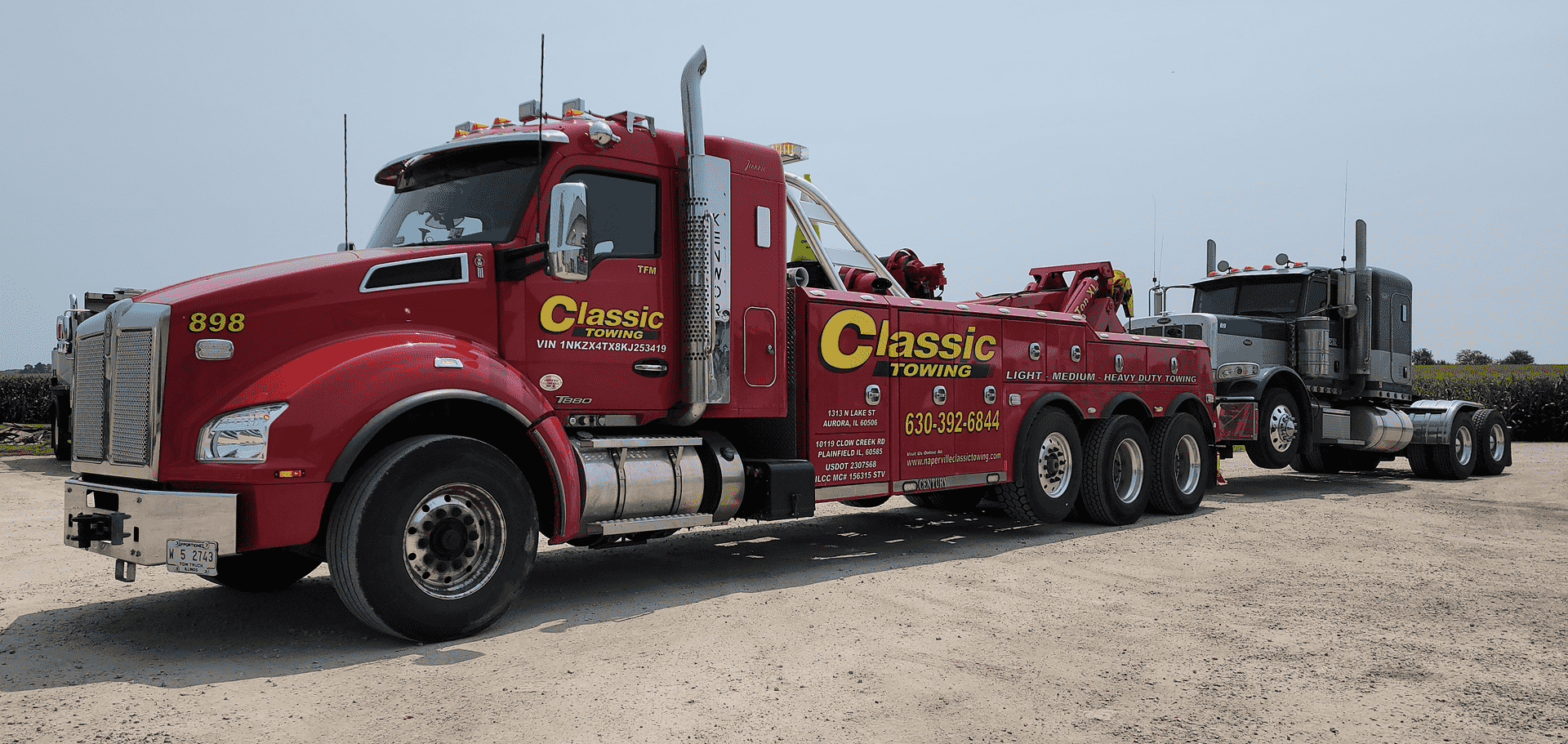
After an accident immediately removing the damaged cars and debris strewn around is essential to reducing traffic interruption. Their delayed removal can result in miles of traffic. In order to quickly clear the road, the car recovery towing service must have rapid-loading sweepers and heavy-duty tow vehicles at hand. The sooner the debris and related risks are cleared, the better for traffic.
4. Coordination with Law Enforcement
One component of reducing traffic disturbance during an accident recovery operation is coordination with law enforcement. The police play an essential part in controlling traffic flow by setting up detours and limiting entry to the work area.
Tow vehicles and cleanup workers can work quickly and effectively because of this close cooperation. Law enforcement enables a smooth, well-coordinated response. This collaboration directly protects the public and ensures that everything returns to normal as soon as feasible.
5. Proper Training for Crew
Rapid accident recovery is made possible by a well-trained staff. Their expertise enables a deliberate and safe reaction where each minute saved eases traffic. Advanced methods for stabilizing vehicles, removing trash quickly, and operating heavy machinery are part of the training.
Crews also receive coaching in interagency communication and traffic management that aids in cooperation with other responders. Because of their high level of readiness, they can easily clear the road right away, and this helps to restore the flow of vehicles like nothing happened.
Restoring the Flow
Rapid car accident recovery services aim to reduce a significant interruption to a tiny delay, and this is mainly the primary goal. Every minute saved when a road is cleared is a win for public convenience and productivity. The objective is to get thousands of people on their way with the least amount of disruption. Call us at Classic Towing at 630-392-6844.